
Salihundam – The Serene Buddhist Treasure of Srikakulam
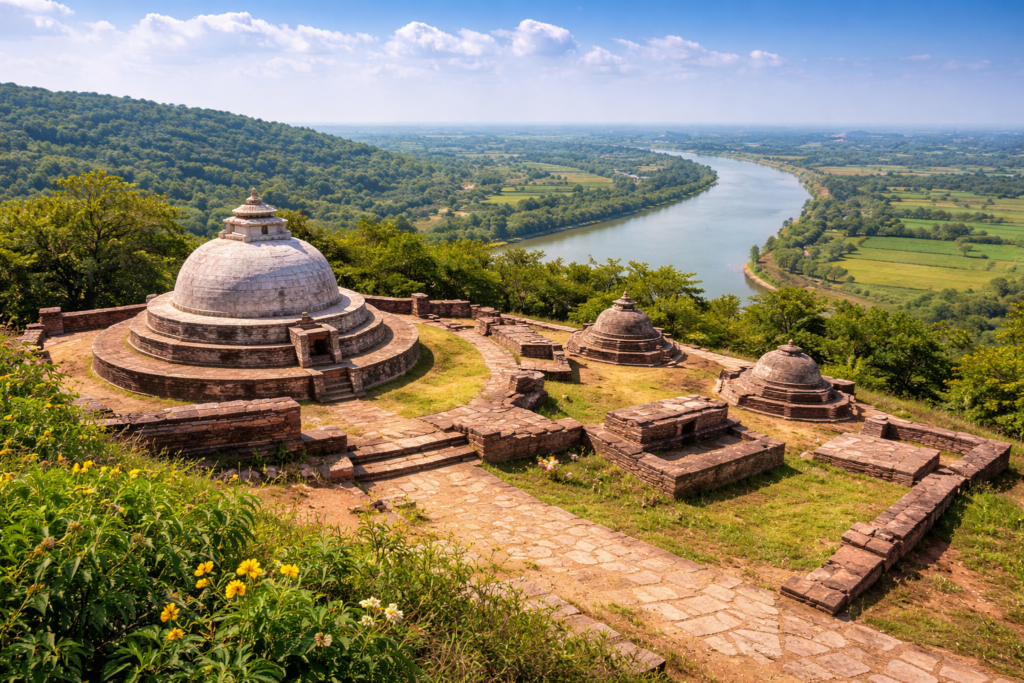
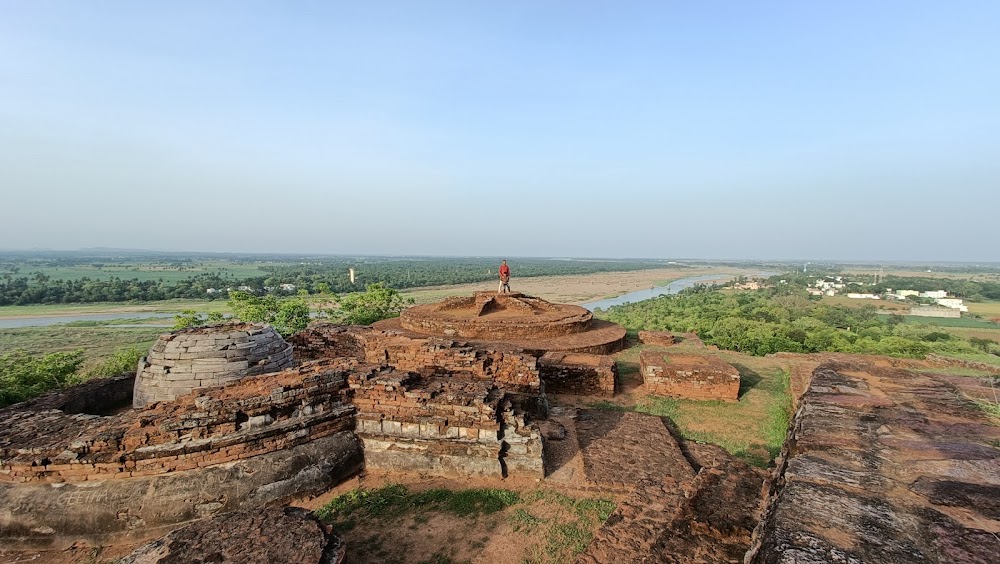
Salihundam in Srikakulam is one of Andhra Pradesh’s most peaceful and historically significant Buddhist heritage sites. Perched gracefully on the banks of the Vamsadhara River and overlooking vast stretches of greenery and open skies, this ancient hilltop settlement reflects the rich spiritual legacy of the region. Located in the Srikakulam district, Salihundam in Srikakulam stands as a quiet reminder of a time when monks, scholars, and spiritual seekers gathered here to meditate and spread the teachings of Buddhism across the eastern coast of India.
Unlike crowded tourist attractions, Salihundam offers something rare — silence, history, spirituality, and scenic beauty woven together into a single experience. The site is not just an archaeological destination; it is a journey into the past, a place where every stone whispers stories of devotion, trade, culture, and learning.
1. Where is Salihundam Located?
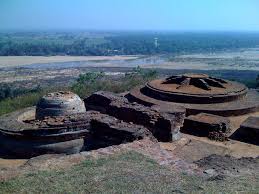
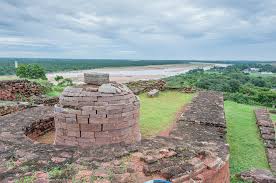
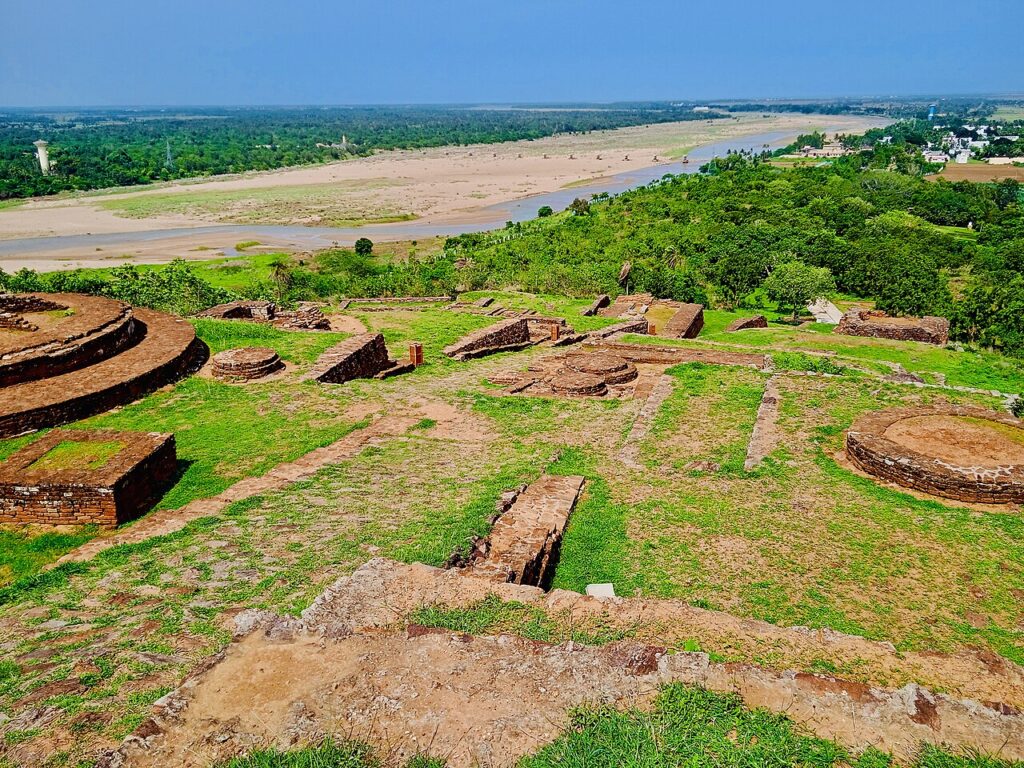
Salihundam is situated about 5 kilometers from Kalingapatnam and roughly 18 kilometers from Srikakulam town in Andhra Pradesh. The site rests on a hill near the southern bank of the Vamsadhara River before it meets the Bay of Bengal.
Its elevated location gives visitors a panoramic view of:
- The winding Vamsadhara River
- Lush green fields
- Coastal plains stretching into the horizon
- Calm rural landscapes untouched by urban rush
The serene surroundings are one of the reasons Buddhist monks likely chose this place centuries ago for meditation and monastic life.
2. Historical Background of Salihundam in srikakulam
Salihundam dates back to around the 2nd century BCE and continued to flourish until approximately the 12th century CE. This long timeline shows that it was not a temporary settlement but a continuously active Buddhist center for nearly 1,400 years.
The site gained prominence during:
- The Kalinga period
- The Satavahana rule
- The Ikshvaku dynasty
- The Eastern Ganga dynasty
Archaeological excavations carried out in the 20th century revealed that Salihundam was an important Buddhist center that witnessed the transition from early Hinayana Buddhism to Mahayana and later Vajrayana traditions.
This evolution makes Salihundam unique — it reflects different phases of Buddhist philosophy and artistic development in one single location.
3. Meaning Behind the Name “Salihundam”
The name “Salihundam” is believed to have evolved over time. Some interpretations suggest:
- “Sali” refers to rice (as the region was known for paddy cultivation).
- “Hundam” may refer to a mound or elevated land.
Another interpretation links the name to local linguistic transformations over centuries.
Regardless of its exact origin, the name today symbolizes one of the most important Buddhist heritage sites in coastal Andhra Pradesh.
4. Architectural Marvels of Salihundam in srikakulam
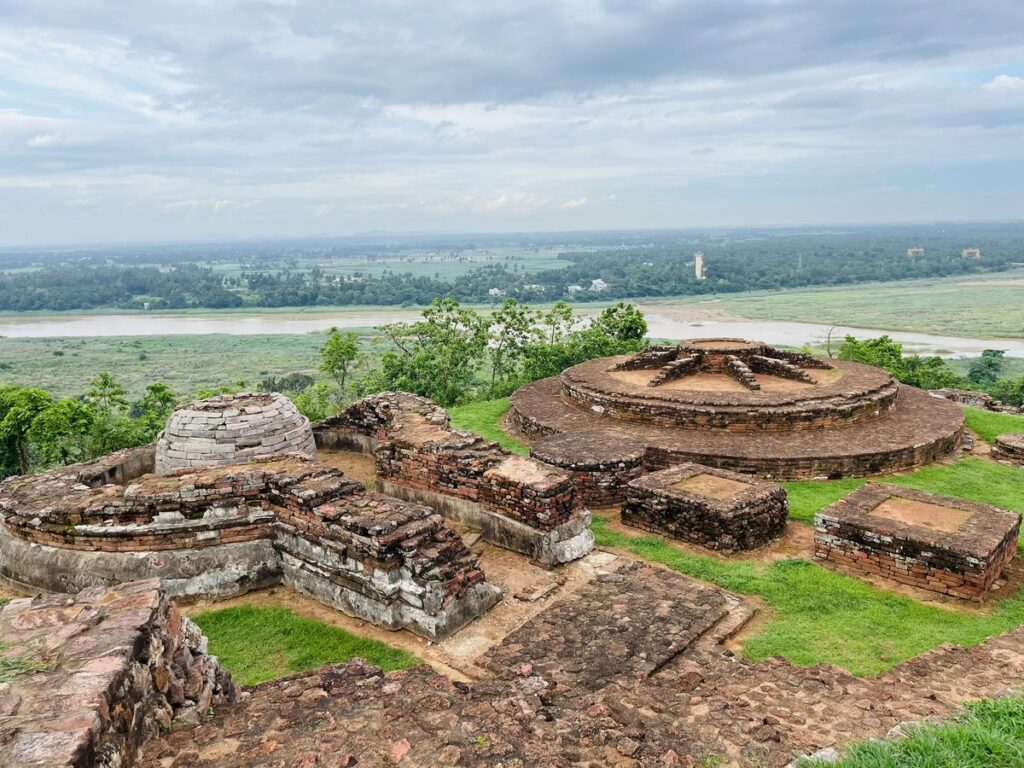
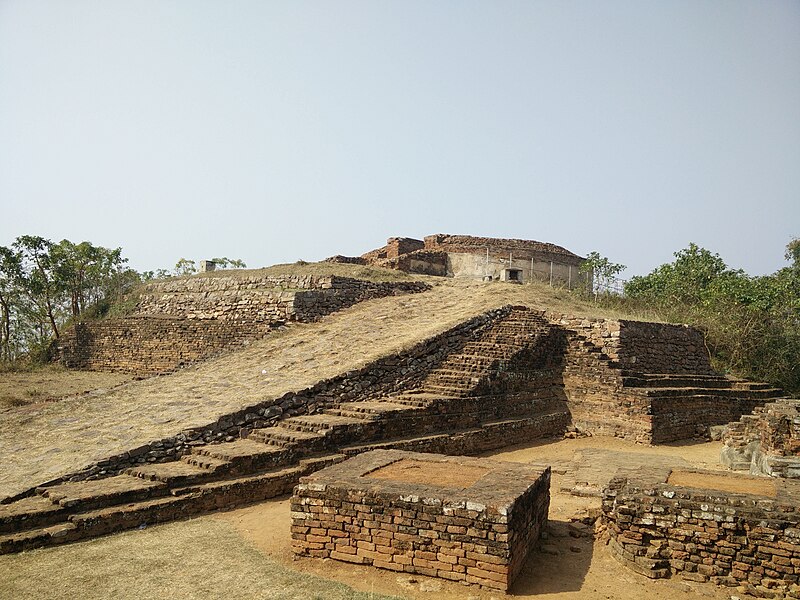
One of the most fascinating aspects of Salihundam is its architectural layout. The structures found here reveal well-planned monastic life combined with artistic excellence.
🏛️ Stupas
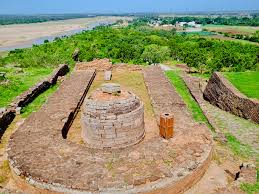
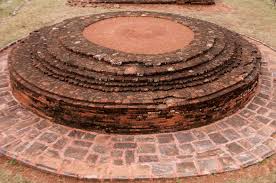
The site contains several stupas of varying sizes. These include:
- A large Maha Stupa at the hilltop
- Smaller votive stupas scattered around
- Circular and drum-shaped structures
The Maha Stupa likely served as the central spiritual monument, possibly enshrining sacred relics.
The smaller votive stupas were built by devotees and monks as offerings or commemorations, reflecting the strong devotional culture of that era.
🧘 Chaityas and Viharas
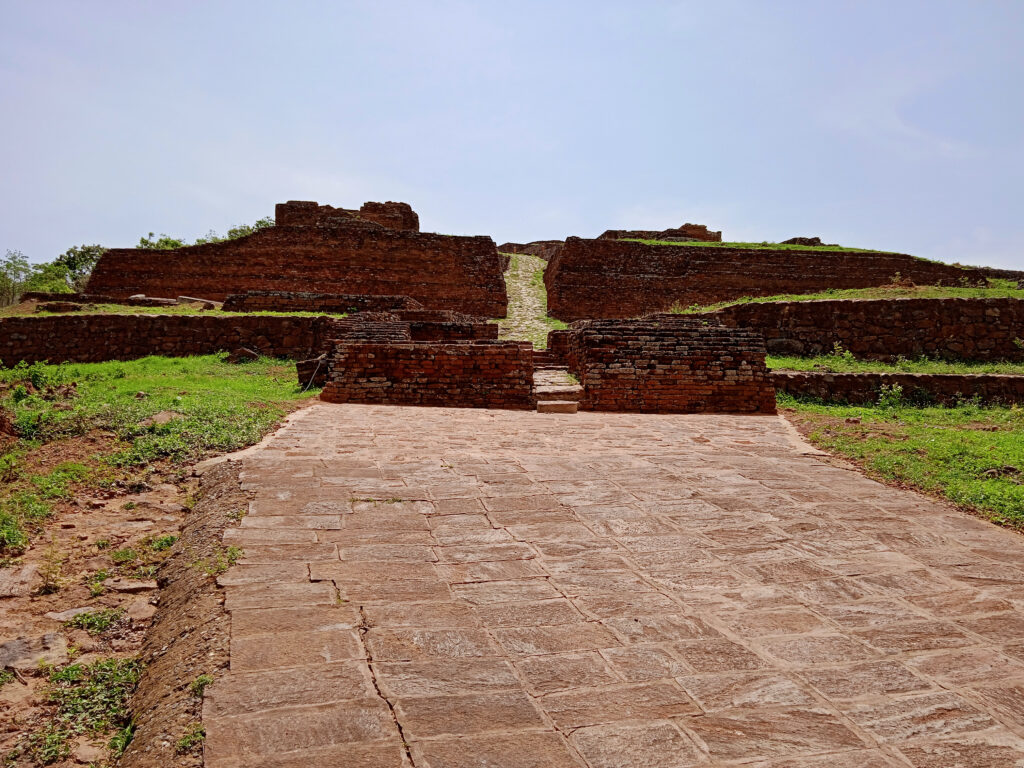
Excavations have uncovered:
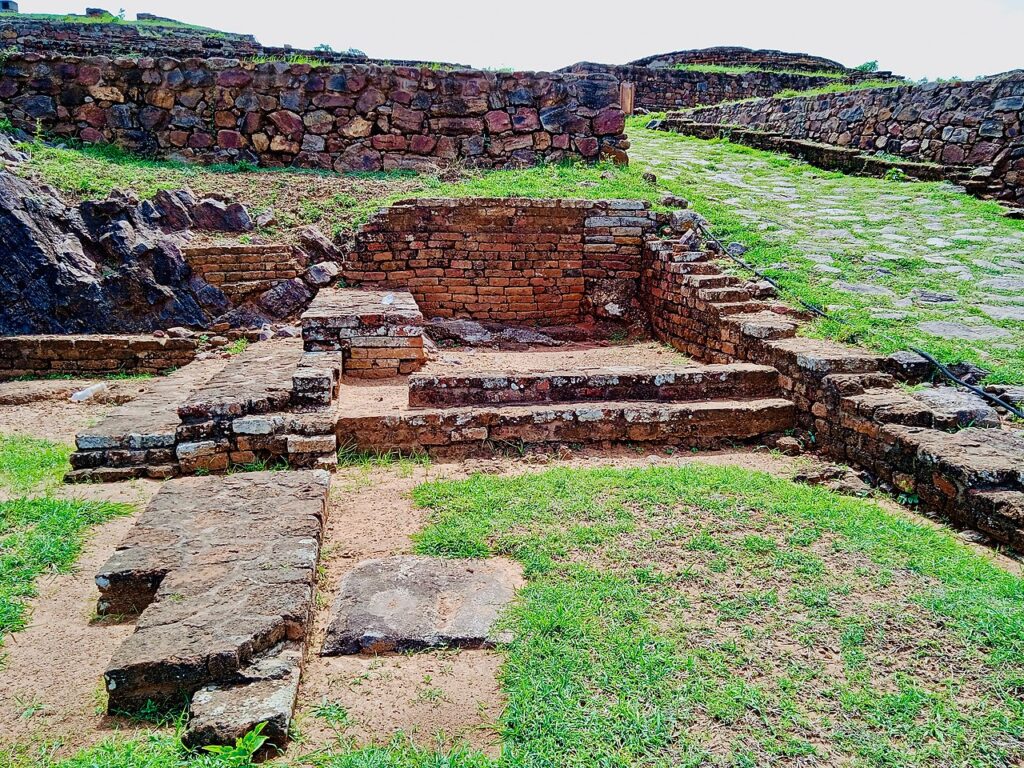
- Chaitya grihas (prayer halls)
- Viharas (monastic residential quarters)
- Meditation chambers
The viharas were arranged systematically, suggesting organized monastic discipline and community living. Each monk likely had a small room for study, meditation, and rest.
🪨 Sculptures and Art
Salihundam is particularly known for its Buddhist sculptures, including:
- Buddha statues in various mudras
- Tara and other Mahayana deities
- Bodhisattva representations
These sculptures reflect artistic influences from both inland Indian traditions and Southeast Asian styles, showing the cultural exchanges that once thrived through maritime trade.
5. A Center of Maritime Buddhist Activity
One of the most intriguing aspects of Salihundam is its proximity to ancient trade routes.
The nearby Kalingapatnam port was historically significant for maritime trade with:
- Sri Lanka
- Myanmar
- Southeast Asian regions
Buddhist monks likely traveled through these routes, spreading teachings and cultural influences. Salihundam may have served as a spiritual and educational hub for travelers and traders.
This connection gives Salihundam an international historical dimension, linking it to the broader Buddhist world beyond India.
6. Religious Evolution at Salihundam in srikakulam
Salihundam is a rare site that shows the evolution of Buddhism over centuries.
Early Phase – Hinayana Tradition
The earliest structures likely belonged to the Hinayana school, focusing on symbolic worship without idol representations.
Later Phase – Mahayana Influence
Over time, Buddha statues began appearing, reflecting Mahayana influence, which emphasized Bodhisattvas and devotional practices.
Vajrayana Presence
Some sculptures suggest Vajrayana elements, indicating tantric Buddhist practices in later centuries.
This layered religious development makes Salihundam an important site for scholars studying Buddhist transformation in South India.
7. Archaeological Discoveries
Systematic excavations revealed:
- Brick-built stupas
- Limestone sculptures
- Inscribed relic caskets
- Pottery fragments
- Coins from various dynasties
These findings confirm that Salihundam was not an isolated hill settlement but a thriving spiritual and cultural center.
The brick structures are particularly notable because they demonstrate advanced construction techniques used more than 2,000 years ago.
8. Scenic Beauty and Natural Environment at salihundam in srikakulam
Beyond its historical significance, Salihundam offers breathtaking views.
From the hilltop, visitors can see:
- The gentle flow of the Vamsadhara River
- Green agricultural fields
- Distant coastal landscapes
- Golden sunsets over rural Andhra
The peaceful atmosphere makes it an ideal destination for:
- Meditation
- Photography
- History exploration
- Educational trips
The combination of spirituality and natural beauty creates a deeply calming experience.
9. Why Salihundam is Less Known:
Despite its importance, Salihundam remains relatively under-promoted compared to other Buddhist sites in Andhra Pradesh.
Possible reasons include:
- Remote location
- Limited tourism infrastructure
- Lack of aggressive marketing
However, this also preserves its authenticity. Visitors can explore the site without heavy crowds, making it more intimate and meaningful.
10. Cultural Importance of Salihundam in srikakulam
Salihundam represents:
- Andhra Pradesh’s Buddhist heritage
- The ancient Kalinga civilization
- India’s maritime trade history
- The spread of Buddhism to Southeast Asia
It stands as a symbol of peaceful coexistence, learning, and spiritual discipline.
For the people of Srikakulam district, it is a matter of pride and historical identity.
11. Best Time to Visit in salihundam
The ideal time to visit Salihundam is:
- October to February
During these months:
- The weather is pleasant
- The greenery is vibrant
- The river view is beautiful
Early mornings and late afternoons provide the best lighting for photography and a comfortable exploration experience.
12. Travel Tips for Visitors
If you plan to visit Salihundam:
- Carry water and light snacks
- Wear comfortable walking shoes
- Visit during daylight hours
- Respect the archaeological structures
- Avoid littering
As a heritage site, preservation depends on responsible tourism.
13. Experiencing Salihundam in srikakulam Today
Walking through Salihundam today feels like stepping into a silent chapter of history. The broken bricks, circular stupas, and scattered sculptures create a powerful sense of timelessness.
Unlike modern temples filled with ritual sounds, Salihundam offers pure silence. That silence allows visitors to reflect — much like the monks who once meditated here centuries ago.
It is not just a tourist destination; it is a space for contemplation.
14. Educational and Research Significance
For historians, archaeologists, and students:
Salihundam provides valuable insight into:
- Buddhist architecture
- Coastal trade networks
- Religious transformation
- Early South Indian brick construction
It serves as an open-air classroom where history is visible rather than written in books.
15. The Future of Salihundam in srikakulam
With growing interest in heritage tourism, Salihundam has the potential to become a major cultural attraction in Andhra Pradesh.
Improved facilities, guided tours, and heritage awareness programs could:
- Increase tourism
- Boost the local economy
- Encourage preservation efforts
At the same time, maintaining its peaceful character should remain a priority.
Conclusion: A Timeless Hill of Peace
Salihundam is more than an archaeological site — it is a bridge between past and present. It represents centuries of devotion, learning, trade, and cultural exchange.
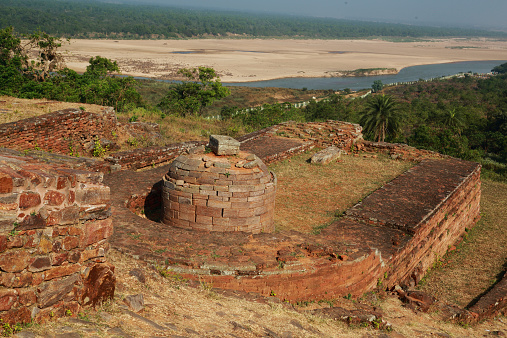
Standing atop the hill, watching the Vamsadhara River flow quietly below, one can almost imagine saffron-robed monks walking through the pathways, chanting softly in the wind.
For anyone interested in history, spirituality, architecture, or simply quiet landscapes, Salihundam in Srikakulam is a destination worth experiencing.
It reminds us that long before modern cities and highways, there were places dedicated entirely to wisdom, peace, and understanding.
And Salihundam continues to stand — calm, dignified, and timeless.